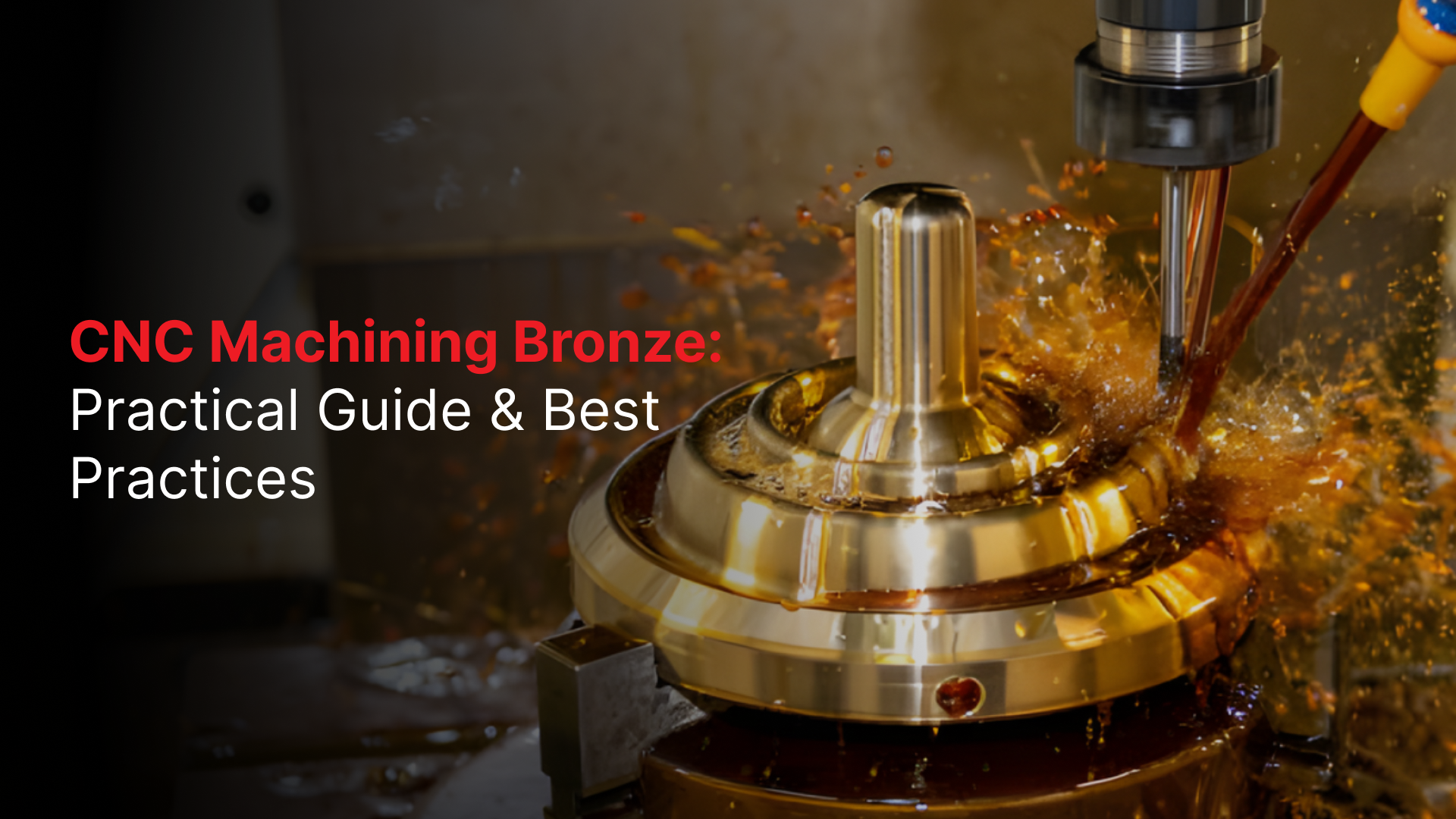
Bronze continues to show up in designs where reliability matters more than novelty. You see it in wear components, fluid systems, and assemblies that must operate smoothly over long service lives. Even with newer materials available, bronze remains a practical choice because it performs predictably in demanding environments.
Machining bronze, however, is not always straightforward. Its behavior differs from that of aluminum, steel, or brass, and small process decisions can affect surface condition, tool life, and consistency.
When parts are expected to meet functional and quality requirements across repeated runs, those details matter.
This guide focuses on CNC machining bronze from a practical manufacturing perspective. The goal is to help you understand where bronze fits best, what challenges to expect during machining, and how disciplined processes support reliable results in both prototype and production settings.
Key Takeaways
Bronze performs best when machining is controlled. Wear resistance and low friction depend on surface quality and consistency.
Not all bronze behaves the same. Treating bronze as a material family helps avoid machinability surprises.
Process discipline protects service life. Repeatable setups and inspection matter more than aggressive cutting.
Production reveals what prototypes hide. Stable workflows prevent late-stage quality and wear issues.
What Makes Bronze Suitable for CNC Machining
Bronze is chosen less for convenience and more for how it behaves in service. Its value shows up when parts must operate under friction, load, or exposure without frequent replacement.
Performance Characteristics That Matter
Wear resistance: Bronze holds up well in sliding and rotating applications, making it a common choice for bushings and bearing surfaces.
Low-friction behavior: It reduces galling and seizing when parts move against mating components.
Corrosion resistance: Bronze performs reliably in moisture, marine, and fluid-handling environments.
Dimensional stability in use: Parts tend to maintain shape and fit during operation, supporting long service life.
Machining Implications
These same characteristics influence how bronze machines.
Tool selection and edge condition affect surface quality
Chip formation requires attention to avoid built-up material
Heat management supports consistent finishes
Bronze machines well when processes are stable and repeatable. When handled casually, variability appears quickly. Understanding this balance helps you decide when bronze is the right material for both performance and manufacturability.
Where CNC-Machined Bronze Parts Are Commonly Used
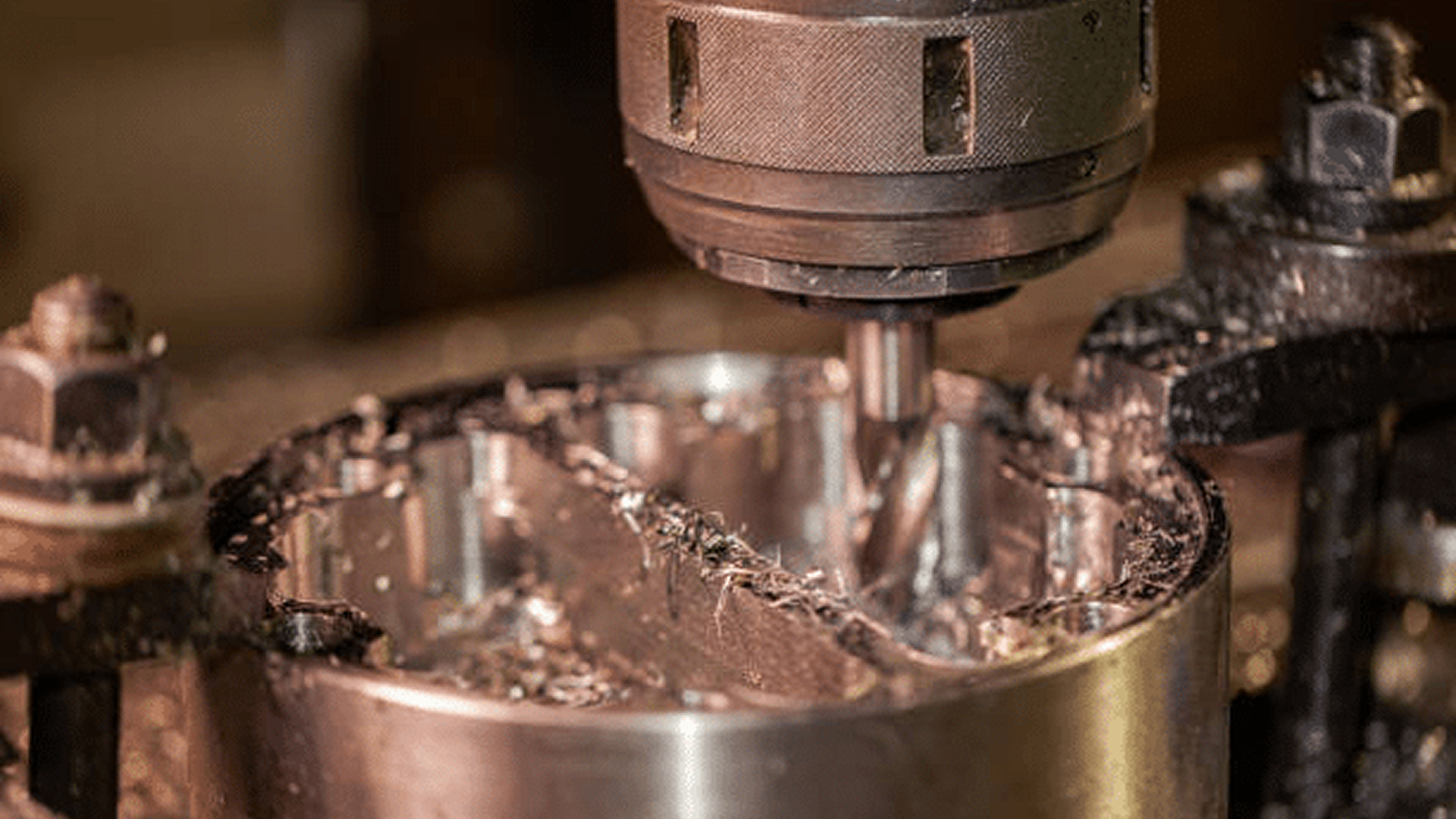
Bronze is typically selected for parts that experience motion, contact, or exposure rather than purely structural loads.
Common Part Applications
Bearings and bushings for low-friction motion
Valves, seats, and fittings in fluid systems
Gears and wear components where durability matters
Electrical and conductive elements where conductivity is required
Industries That Rely on Machined Bronze
Industrial equipment: Bronze supports long-running machinery with predictable wear behavior.
Marine and fluid-handling systems: Corrosion resistance and reliability under exposure drive material choice.
Aerospace and defense subsystems: Used in non-structural components where wear and reliability are critical.
Instrumentation and precision assemblies: Bronze supports consistent motion and alignment over time.
In these environments, material failure often shows up as wear, binding, or leakage rather than fracture. CNC-machined bronze parts help manage those risks when processes are controlled, and application requirements are well understood.
Understanding Bronze as a Material Family
Bronze is not a single material. It is a family of copper-based alloys designed to emphasize different performance traits. Understanding these differences helps set realistic expectations during CNC machining.
Common Bronze Categories and What They Mean for Machining
Aluminum bronze: Known for strength and corrosion resistance. It performs well in demanding environments but can be more challenging to machine consistently.
Phosphor bronze: Valued for wear resistance and fine grain structure. Often used where smooth motion and repeatability matter.
Silicon bronze: Offers good corrosion resistance and balanced machinability, making it suitable for precision components.
Manganese bronze: Selected for toughness and shock resistance. Machining requires attention to tool wear and heat.
Tin and leaded bronzes: Common in bearing applications where machinability and smooth finishes are priorities.
Why This Matters in Practice
Each bronze type responds differently to cutting, heat, and tool engagement. Choosing bronze without considering how it machines can lead to:
Inconsistent surface finishes
Premature tool wear
Variation between runs
Treating bronze as a family rather than a single material helps you align application needs with machinability and process control.
CNC Machining Processes Used for Bronze Parts
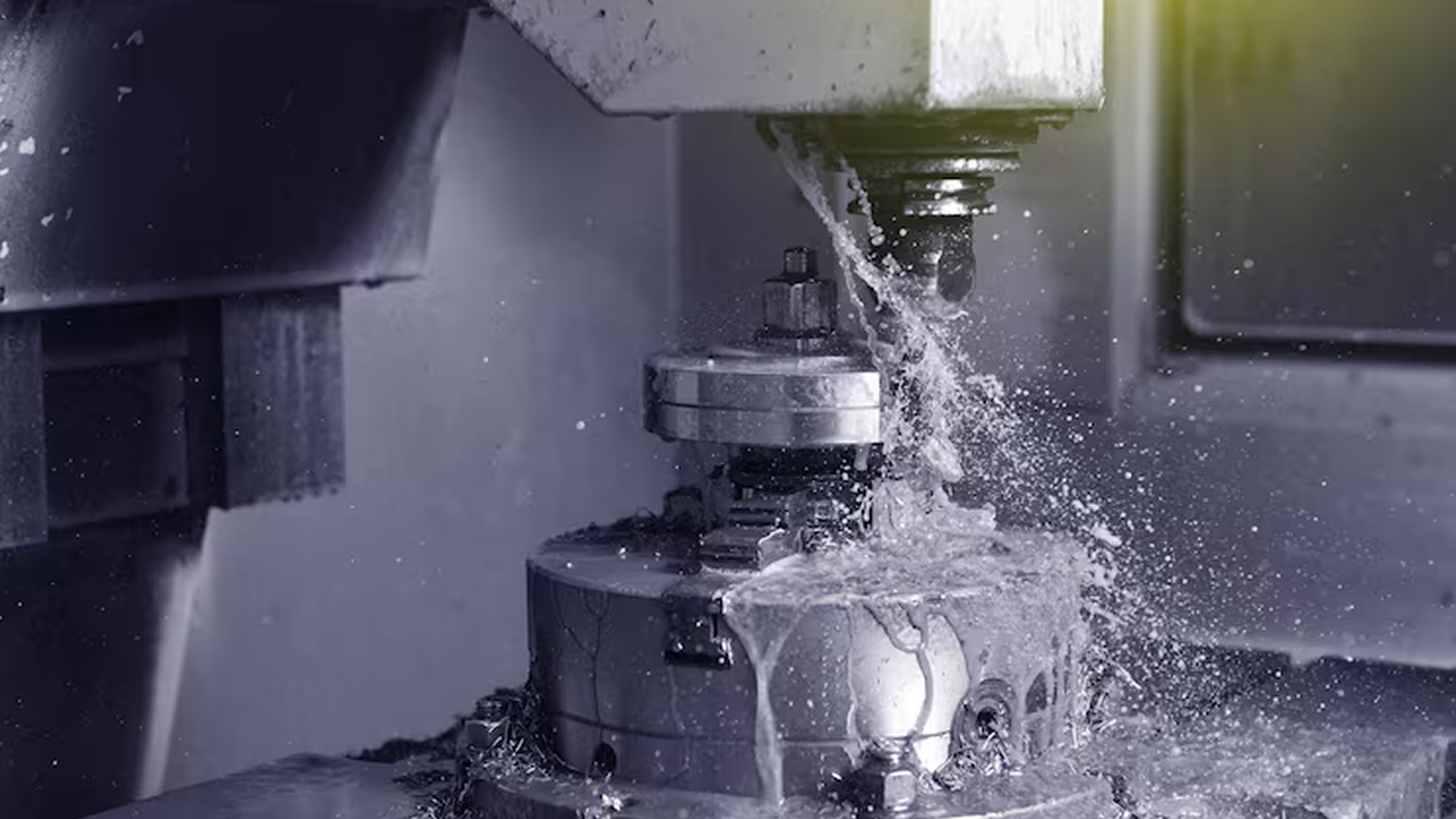
Bronze components are typically produced using standard CNC processes, but outcomes depend on how those processes are applied.
Common CNC Operations
Milling: Used for complex geometries, pockets, and profiles. Stable fixturing supports consistent results.
Turning: Ideal for cylindrical parts such as bushings and bearing surfaces where concentricity matters.
Drilling and boring: Applied to precision holes and fluid passages. Tool condition affects finish and accuracy.
Grinding: Used when surface quality or dimensional control must be refined beyond cutting operations.
Process Considerations
Bronze responds well to sharp tools and controlled engagement
Chip control influences surface condition and repeatability
Heat buildup can affect the finish if not managed
Selecting the right process sequence helps maintain consistency from part to part. Bronze machines reliably when processes are defined and repeatable, supporting both prototype validation and production stability.
Common Challenges When Machining Bronze
Bronze machines predictably when processes are controlled, but several challenges can appear if those controls are weak. These issues often affect consistency rather than basic part functionality.
Tool Wear and Edge Degradation
Some bronze alloys are more abrasive than expected
Dull tools can smear material rather than cut cleanly
Surface finish quality degrades quickly when the edges wear
Chip Formation and Evacuation
Bronze can produce long or stringy chips
Poor chip control affects surface condition and tool life
Chip buildup increases the risk of recutting and heat concentration
Heat Management
Heat buildup influences surface appearance and dimensional stability
Excess heat accelerates tool wear and can affect consistency between runs
Process Variation
Small setup differences can create visible variation
Manual adjustments hide instability during low-volume runs
Issues often appear only when quantities increase
Why These Challenges Matter
Left unaddressed, these factors lead to:
Rework and scrap
Inconsistent inspection results
Difficulty maintaining repeatability across batches
Understanding these challenges early helps you design machining strategies that support stable output rather than reacting to issues after production begins.
Best Practices for CNC Machining Bronze
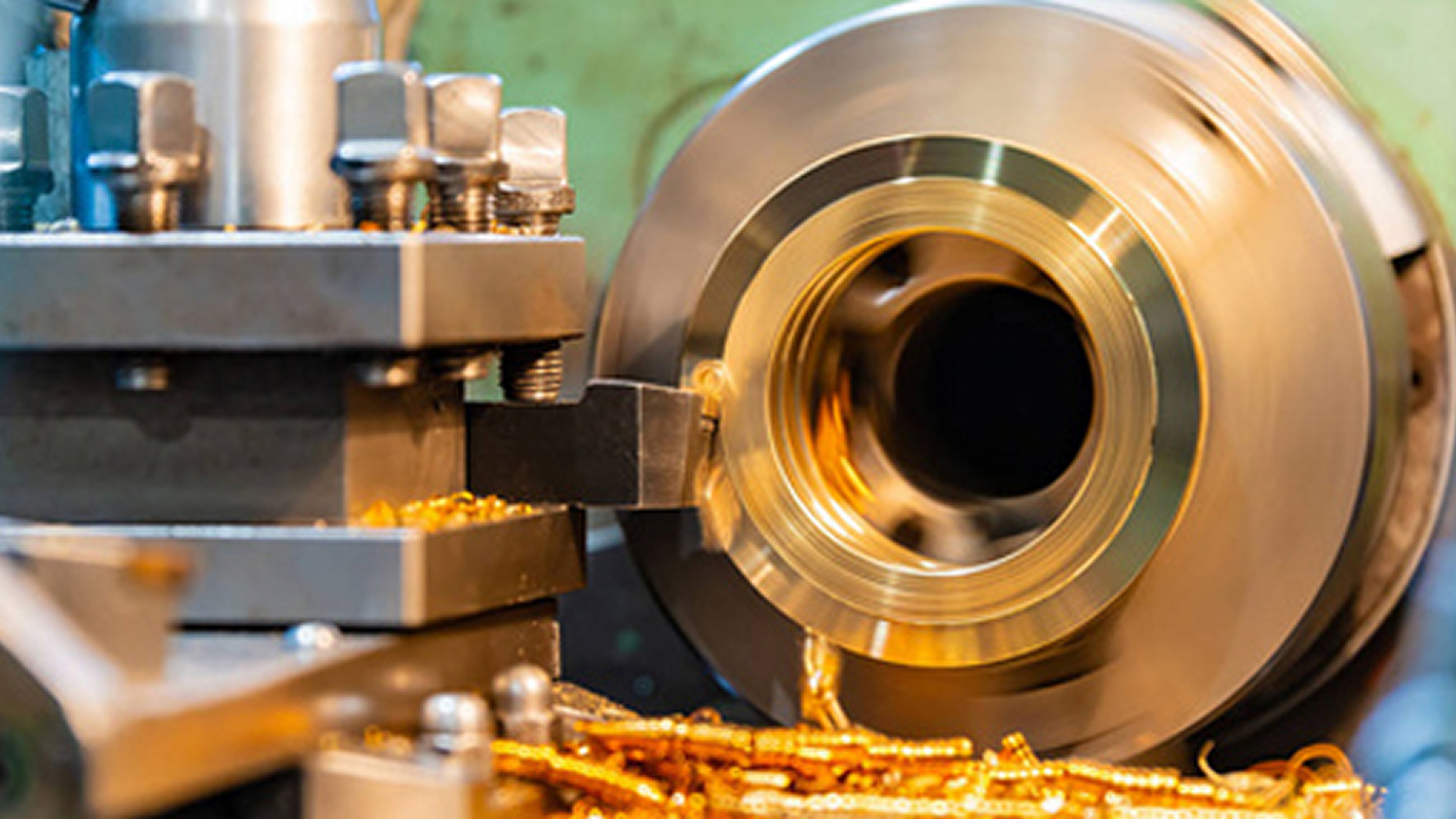
Effective bronze machining depends on discipline rather than complexity. Best practices focus on maintaining control throughout the process.
Process and Tooling Practices
Use sharp, well-maintained cutting tools
Select tool geometries suited for non-ferrous materials
Maintain consistent engagement to avoid surface smearing
Chip and Heat Control
Plan for effective chip evacuation
Avoid allowing chips to recut the surface
Manage heat to support uniform finishes
Setup and Fixturing Discipline
Use stable, repeatable fixturing
Minimize unnecessary handling between operations
Maintain consistent datum references across runs
Quality and Inspection Focus
Verify critical surfaces early in the process
Monitor consistency, not just individual feature results
Document process conditions that produce stable outcomes
Why Best Practices Pay Off
Applying these practices helps:
Extend tool life
Improve surface consistency
Reduce rework and inspection surprises
Bronze rewards controlled processes. When machining strategies are repeatable and documented, bronze parts perform reliably in both prototype and production environments.
Bronze vs Other Common Machining Materials
Bronze is often selected after comparing it with more common machining materials. Understanding these differences helps align material choice with performance and manufacturing priorities.
How Bronze Compares in Practice
Factor | Bronze | Brass | Aluminum | Steel |
Wear behavior | Excellent for sliding contact | Moderate | Low | High strength, higher friction |
Friction characteristics | Naturally low | Low | Low | Higher without coatings |
Corrosion resistance | Strong in harsh environments | Good | Variable | Often requires protection |
Machining consistency | Good with process control | Very easy | Easy | More demanding |
Typical use focus | Bearings, wear parts | Fittings, decorative | Lightweight structures | Structural strength |
Decision Perspective
Choose bronze when wear resistance and smooth operation matter more than weight.
Choose brass for ease of machining and cosmetic parts.
Choose aluminum for lightweight components where wear is limited.
Choose steel for strength-driven applications where friction is less critical.
Bronze sits in a unique position. It fills gaps where friction, wear, and environmental exposure create risk for other materials. Understanding these trade-offs supports better sourcing and engineering decisions.
Production Considerations for Bronze Parts
Moving bronze parts from prototype into production introduces new priorities. Consistency matters more than speed, and small variations become visible across batches.
Key Production Factors
Repeatability: Stable setups and documented processes support consistent output.
Tool life management: Monitoring wear helps prevent gradual finish degradation.
Inspection planning: Verifying functional surfaces ensures long-term performance.
Lot-to-lot consistency: Controlling variation reduces downstream assembly issues.
Prototype vs Production Behavior
A bronze prototype may perform well, but production exposes:
Setup variation
Tool wear trends
Surface consistency issues
Addressing these early reduces risk as volumes increase.
Why Production Discipline Matters
Bronze parts often serve wear-critical roles. Inconsistent machining can shorten service life or affect system performance. Production success depends on process control, inspection discipline, and repeatable workflows rather than one-time results.
How Criterion Precision Machining Supports CNC Machining of Bronze
Machining bronze consistently requires more than knowing the material. It requires stable processes that hold up across repeated runs and changing volumes.
Criterion Precision Machining supports bronze components with this focus on control and repeatability.
Relevant Capabilities
CNC milling and turning for bronze parts with tight functional requirements
Support for wear-critical components such as bushings, bearings, and mating surfaces
Stable fixturing and documented processes to maintain consistency
In-house inspection to verify critical features and surface condition
Support from prototype through production within the same quality framework
Why This Matters
Bronze parts perform as intended across batches
Inspection results remain consistent and traceable
Transition risk between development and production is reduced
Criterion’s process-driven approach helps ensure that bronze components meet performance expectations in real operating environments, not just on the first run.
Conclusion
Bronze remains a practical material for components that must operate reliably under wear, friction, and environmental exposure. Its value shows up in service, but success begins on the machine. CNC machining bronze consistently requires attention to tool condition, chip control, heat management, and repeatable setups.
Understanding bronze as a family of materials helps align application needs with machinability expectations. When processes are stable and inspection is planned, bronze parts deliver predictable performance across both prototype and production volumes.
Manufacturers that apply disciplined machining practices reduce rework, extend service life, and avoid late-stage surprises.
Working with a partner experienced in precision machining and process control, such as Criterion Precision Machining, helps ensure bronze components meet functional and quality expectations throughout their lifecycle.
FAQs
1. Is bronze difficult to machine using CNC?
Bronze machines well when tools are sharp, and processes are controlled. Problems usually come from chip control, heat buildup, or inconsistent setups.
2. Which bronze types machine most easily?
Bearing-focused bronzes generally machine more smoothly than high-strength variants, which require closer attention to tool condition and heat management.
3. Why is bronze preferred for bearings and bushings?
Its natural wear resistance and low friction support smooth motion and long service life without coatings.
4. How does bronze compare to brass in machining?
Brass is easier to machine, but bronze performs better under wear, load, and environmental exposure.
5. Does bronze require special inspection?
Inspection focuses on surface condition, concentricity, and consistency rather than strength-based features.
6. Can bronze parts scale well into production?
Yes, when processes are documented and repeatable. Variability appears when production discipline is lacking.
7. Is bronze suitable for regulated industries?
It is commonly used when wear and reliability matter, provided machining and inspection are controlled.